
Today, I want to share something that’s been on my mind for a while: brain rot. The name sounds a bit dramatic, but I promise it’s worth thinking about.
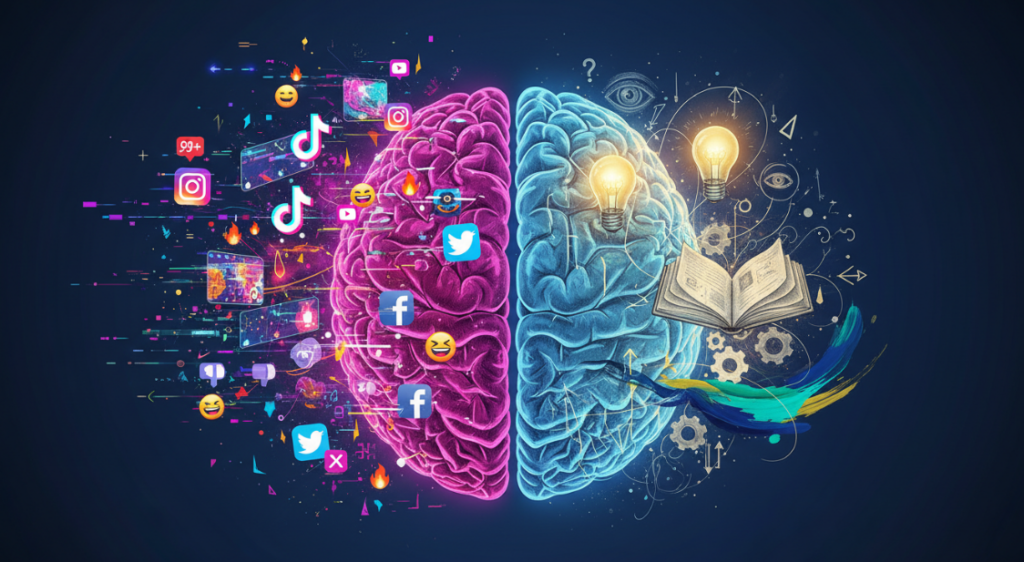
We live in a world packed with content. Social media feeds, YouTube, Netflix, TikTok, blogs, podcasts – the list is endless. There’s always something new to watch, read, or listen to. And while this is fun and sometimes even inspiring, there’s a downside.
Too much consumption can leave our brains feeling full, tired, and strangely empty at the same time. Our own ideas get lost in the flood.
That, my friends, is what I like to call brain rot.
How Consuming Too Much Hurts Creativity
Let me be honest: I love consuming content. I binge-watch series, scroll through funny memes, and read articles almost daily. There’s nothing wrong with that. The problem starts when consumption becomes constant. When every spare moment is filled with someone else’s ideas, we leave almost no room for our own. Creativity needs breathing space, and without it, it struggles to survive.
Think of your brain like a garden. You can add nutrients, water, and sunlight, but if you pile it with rocks, weeds, and too much fertilizer, nothing grows the way it should.
Too much input can make your mind sluggish, unfocused, and blank. Your thoughts feel stuck.
You know ideas are there, floating somewhere, but they just don’t come together. That’s brain rot creeping in.
My Personal Experience
I’ve been there myself. There were days when I would spend hours scrolling through Instagram, binge-watching YouTube videos, and reading a dozen blogs in a single day. It felt productive, like I was learning and staying updated. But when I tried to write, create, or even just think of original ideas, my mind went blank.
Nothing came out. Words were stuck. I felt frustrated.
That’s when I realized: consuming content is not the same as creating. You can fill your brain with knowledge, entertainment, and inspiration, but if you don’t give your mind time to process and reflect, creativity takes a hit.
That mental clutter is brain rot in action.
Finding the Right Balance
The good news is that consuming content doesn’t have to kill creativity – it can actually fuel it, if done the right way. The key is balance. Think about it like food. You need nutrients to grow, but too much junk food slows you down. Your brain is no different.
I started setting small limits for myself. I still enjoy scrolling, watching movies, and reading, but I also leave gaps where my mind can rest. I make sure to jot down even tiny ideas – sometimes just a sentence or a doodle.
Those small notes often grow into bigger thoughts later. By being intentional about what I consume and how much, I’ve been able to fight off brain rot and keep my creativity alive.
Mindful Consumption
Not all content is equal. Some things inspire, educate, or challenge you. Other content is passive, meant only to fill time. I try to notice the difference. Thoughtful documentaries, inspiring blogs, or even a good movie spark creativity. Endless scrolling through memes or low-value videos drains energy and makes your brain feel fuzzy.
I’ve realized that when I consume mindfully, my ideas flow better. I’m not saying you should avoid fun content – please enjoy your favorite shows and memes!
But being aware of what feeds your brain versus what clutters it makes a huge difference.
The Power of Doing Nothing
It may sound strange, but doing nothing is actually powerful for creativity. Walking without your phone, taking a shower, or just staring out the window can spark amazing ideas. Our brains connect dots in ways we don’t notice when constantly feeding them information. Some of my best ideas have come when I wasn’t actively trying to think at all.
This is why balance is so important. You need input, but you also need empty space. Quiet time allows your mind to organize thoughts, process inspiration, and come up with something original.
Creativity doesn’t happen when your brain is overstuffed.
Sharing and Exercising Ideas
Another way to fight brain rot is to share your thoughts. Talking with friends, discussing ideas, or journaling gives your mind a chance to exercise. Creativity is like a muscle: if you never use it, it gets weak. When you share ideas, you test them, reshape them, and build on them.
Even small daily practices can keep your brain sharp and creative.
Recognizing Brainrot Early
The tricky thing about brain rot is that it creeps up slowly. You may not notice it until you try to create and feel stuck. Some signs include:
- Difficulty coming up with original ideas
- Feeling mentally exhausted despite consuming content
- Procrastination because your brain feels cluttered
- Lack of focus or motivation to create
If you notice these, it’s a sign to step back, pause your consumption, and make space for thinking, reflection, and creating.
Finding Your Sweet Spot
Creativity isn’t about consuming less or more – it’s about balance. Too little input, and your ideas stagnate. Too much input, and your brain feels blocked. The goal is to find a rhythm where you feed your mind enough to stay inspired, but also give it space to grow your own ideas.
Think of creativity like gardening. You plant seeds, water them, and let them grow. If you overfeed or overcrowd the garden, nothing thrives. Likewise, your mind needs both input and space to flourish.
Final Thoughts
If you ever feel stuck, blank, or overwhelmed, maybe it’s time to pause. Step back from constant consumption. Watch a favorite movie, read something you love, but also give your mind time to breathe. Write, doodle, or daydream. Trust me, your creativity will return quietly, but powerfully.
Remember, brain rot is not a permanent condition. It’s a signal that your brain needs balance, quiet, and intentional habits. Feed it wisely, give yourself space, and watch your original thoughts grow again.
Thank you for being here with me till the end. I really appreciate it, and I’ll come back again with more such insights.
For more interesting blogs do visit us ;- https://prabneksingh.com/blog/