
Imagine you are sitting in class and your teacher is talking about volcanoes. Instead of just looking at pictures, you suddenly see a 3D volcano erupt right in front of you. Lava flows, smoke rises, and it feels like you are standing there watching it. Sounds cool, right?
That’s what AR and VR are doing in schools. They are turning lessons into real experiences. Learning is not just about reading or memorizing anymore – it’s about seeing, feeling, and understanding.
It’s like stepping inside your textbook instead of just flipping through its pages. Suddenly, every subject – from science to history – feels alive, exciting, and full of wonder.
What are AR and VR?
Let’s make this very simple.
AR (Augmented Reality) adds digital things to the real world. You can use a phone or tablet to see 3D images, animations, or videos on top of real objects. For example, if you point your phone at a page in your book and a 3D model pops up, that’s AR.
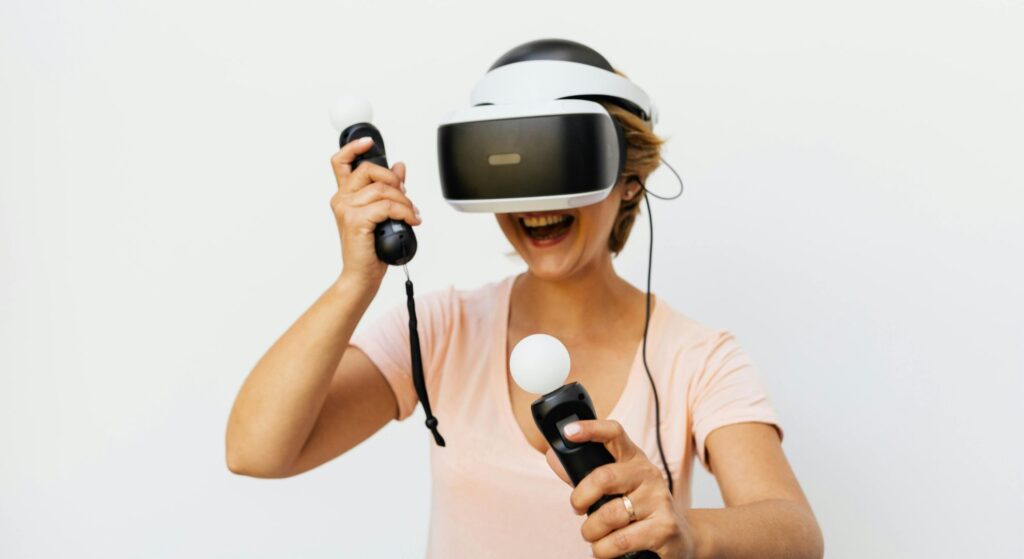
VR (Virtual Reality) is a bit different. You wear a special headset, and it takes you into a new world. You can visit the moon, swim with dolphins, or explore a human body – all without leaving your seat.
It’s like the difference between watching a video and actually stepping inside it. Both AR and VR make learning feel less like studying and more like exploring something new every single day.
So, AR adds to your real world. VR takes you to another world. Both make learning more exciting and easy to understand.
Why Indian classrooms need AR and VR
In most Indian schools, learning still happens through textbooks, blackboards, and lectures. Students often memorize information for exams but forget it later. There’s little focus on real understanding.
But today’s students are different. They are growing up with technology – smartphones, games, and videos. They learn best when lessons are visual and fun.
That’s why AR and VR can be game-changers.
Imagine learning about space by flying through the solar system. Or studying history by walking around ancient monuments. When students see how things work, they understand faster and remember longer.
It turns boring topics into something students actually enjoy.
How schools in India are using AR and VR
Many schools in India have already started using AR and VR tools.
- Byju’s and Extramarks have added AR features in their learning apps.
- Google Expeditions helps teachers take students on virtual field trips – to mountains, deserts, or even outer space.
- Startups like PlayShifu and Veative are creating AR and VR lessons for subjects like maths, science, and geography.
In some schools, students put on VR headsets during science or geography classes. They explore volcanoes, space, or forests as if they are really there. This makes lessons much more interesting than reading plain text from a book.
Some teachers even say that students who were once shy or bored in class are now the first to participate when AR or VR is used. It’s not just about fancy gadgets – it’s about bringing back curiosity and excitement in learning.
Why students love AR and VR
Let’s be honest – reading long chapters can get boring. But when learning feels like a game or an adventure, everyone wants to take part.
Here’s why students love AR and VR:
- It’s fun. Lessons feel exciting and real.
- It’s easier. Seeing something in 3D helps you understand faster.
- It stays in memory. You remember what you experience.
- It builds confidence. When you truly understand, you feel more sure of yourself.
- It suits all learners. Whether you like visuals, sounds, or activities – AR and VR fit all styles.
When students enjoy learning, they stop studying just for marks. They study because they’re curious.
The challenges
Of course, there are a few problems.
Not every school can afford VR headsets or tablets. Internet access is still poor in many small towns and villages. Teachers also need proper training to use these tools well – technology is only useful if it’s used in the right way.
But things are improving fast. Devices are getting cheaper, and the internet is reaching more areas. The government’s Digital India and New Education Policy (NEP 2020) are also encouraging schools to use new technology for learning.
So, while it will take time, the future looks promising.
The future of AR and VR in education
In the coming years, AR and VR could become a normal part of classrooms.
Students might carry a tablet instead of heavy books. They could wear light headsets to explore lessons in 3D. A student could walk through the human body to learn biology or visit ancient India during history class.
Teachers will use these tools to explain complex topics in simple, visual ways. Students from different cities could even study together in the same virtual classroom.
AR and VR won’t replace teachers – they’ll make teaching and learning more fun, creative, and interactive.
Why this change matters
Education should be about understanding, not memorizing. AR and VR help students connect with what they learn. They make learning interesting, creative, and full of curiosity.
They also help bridge the gap between schools. A student in a small village can now experience the same lessons as a student in a big city. That’s a big step for India’s education system.
AR and VR are not just fancy gadgets – they are tools to make learning more real, fair, and exciting for everyone.
Takeaway
AR and VR are slowly changing how Indian students learn. They make lessons come alive, help students understand better, and make classrooms more fun.
Yes, there are challenges like cost and access, but the change has already begun. The future of education will be more visual, more interactive, and much more engaging.
When students can see, feel, and explore what they’re learning, education becomes more than just books and exams – it becomes an experience.
Thank you for being here and reading this! I’ll be back soon with more simple and interesting insights on how technology is changing the way we live and learn. Till then, stay curious and keep exploring!
For more exciting blogs do visit us :- https://prabneksingh.com/blog/